Opening a business requires dozens of design decisions, many of which will determine how well the business looks and functions for years to come. One of the most significant yet often overlooked decisions that owners need to make is their choice of flooring. Especially for businesses in coastal areas like Virginia Beach, floors need to withstand heavy foot traffic and high humidity while maintaining a durable finish that shows well to new customers.
The choice of materials and finishes for new flooring installations can be difficult, but business owners don’t have to make their choices alone. Experienced local flooring installers help businesses make the right decisions for their needs to keep their floors durable and professional for years to come.
| Covered in this Blog:
We’ll cover how to choose the best flooring for a business in Virginia Beach based on several common factors, including the aesthetics, longevity, and safety of various choices. Our goal is to help business owners save time in their search for the perfect floors by guiding them through the process. |
1. Consider the Current and Intended Design Feel of the Business
The look and feel of the business often depends on the industry and the building’s limitations, but owners should also put their creative spin on it. The goal is to present visitors, clients, or guests with the ideal experience as often as possible.
Design considerations include the following:
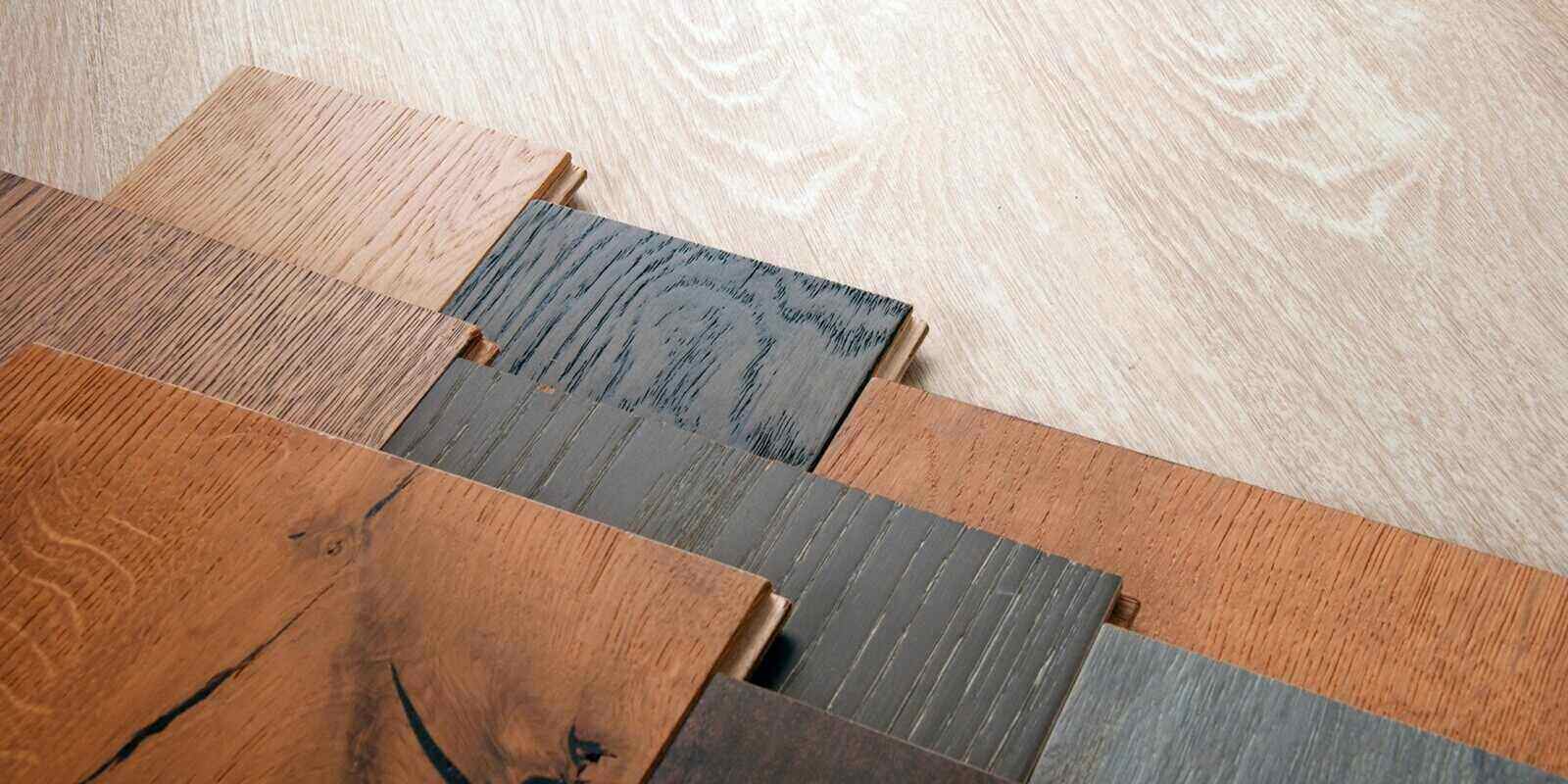
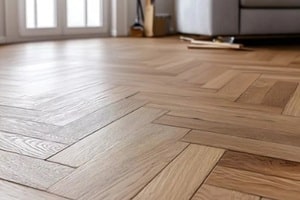
 Flooring colors can shrink or expand the perception of a room, so choosing between dark and light materials is significant. The choice depends on the natural light entering the room, the size of the floor plan, and the intended vibe.
- Flooring design can be both functional and aesthetic, as customers may prefer certain types of floors in different businesses. Cafes and law offices, for example, do not usually choose the same materials.
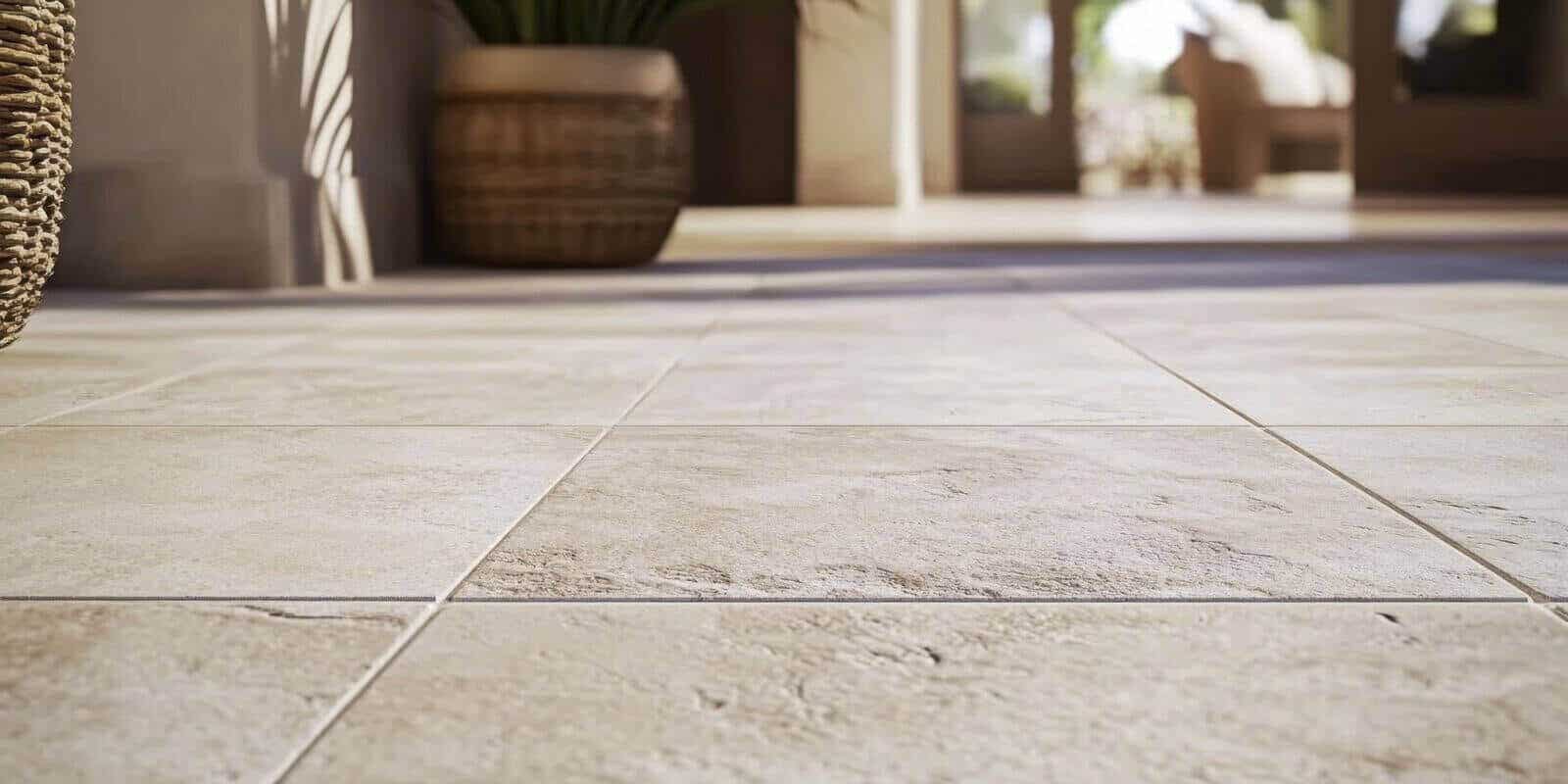
- Patterns, textures, and finishes can be just as important as materials since they can make the space feel busy or utilitarian, warm or cool, open or cozy. Owners should consider not only how floors look but also how flooring decisions will affect the overall look of the space.
2. Take Safety into Account by Comparing Flooring Types to Industry Needs
While aesthetics are important, safety should be near the top of the checklist for businesses as they prepare their new flooring installation. Depending on the industry, different businesses have different needs, expected foot traffic, and safety standards.
Safety factors may involve the following:
- Businesses that handle food and drink should make sure their flooring is slip-resistant to prevent customer injuries. For businesses in high-humidity areas such as Virginia Beach, durable flooring that stands up to the humidity is essential. This can apply to other businesses as well, especially those near the coast.
- Some flooring is easier to clean and sanitize than others, so business owners should ask about each flooring type based on their expected needs to make sure their maintenance will be manageable.
- Businesses that handle chemical products or other liquid materials should choose less porous flooring to avoid absorbing potential spills.
3. Think About the Logistics of the Installation Before Starting
Timing and coordinating the flooring installation can be just as important to the planning process as selecting the right materials. The installation should be timed to avoid as much downtime as possible, but this can vary by industry, since restaurants, schools, and retail stores all have significantly different scheduling considerations.
Logistical steps may include:
- Consult with multiple flooring installers to get an idea of how they time, price, and design their projects.
- Coordinate the installation with other changes, such as any planned remodels or predicted business activity, to minimize downtime and protect business equipment and inventory.
- Clean the area before installation begins, notify staff of the installation schedule, and clear any necessary access paths for flooring installers, their vehicles, and their equipment.
Checklist for New Flooring Installations
To summarize these core considerations, businesses can use this checklist to prepare their facilities for their new flooring:
- Choose a material that fits the need for durability vs style.
- Consider how colors, patterns, and finishes impact customer appeal.
- Refer to industry safety guidelines and consider how the business’s services and liabilities may impact its flooring needs.
- Consult multiple installers to find one that will work with your business’s timeline and goals.
- Clean the installation area and store any inventory or equipment until the process is complete.
- Notify staff of the changes.
- Clear access paths for flooring installers, prepare parking areas, and make room for their equipment.
- Coordinate business closures with the installation process, minimizing downtime where possible.
Local Flooring Installers Match New Installations to Your Business’s Needs
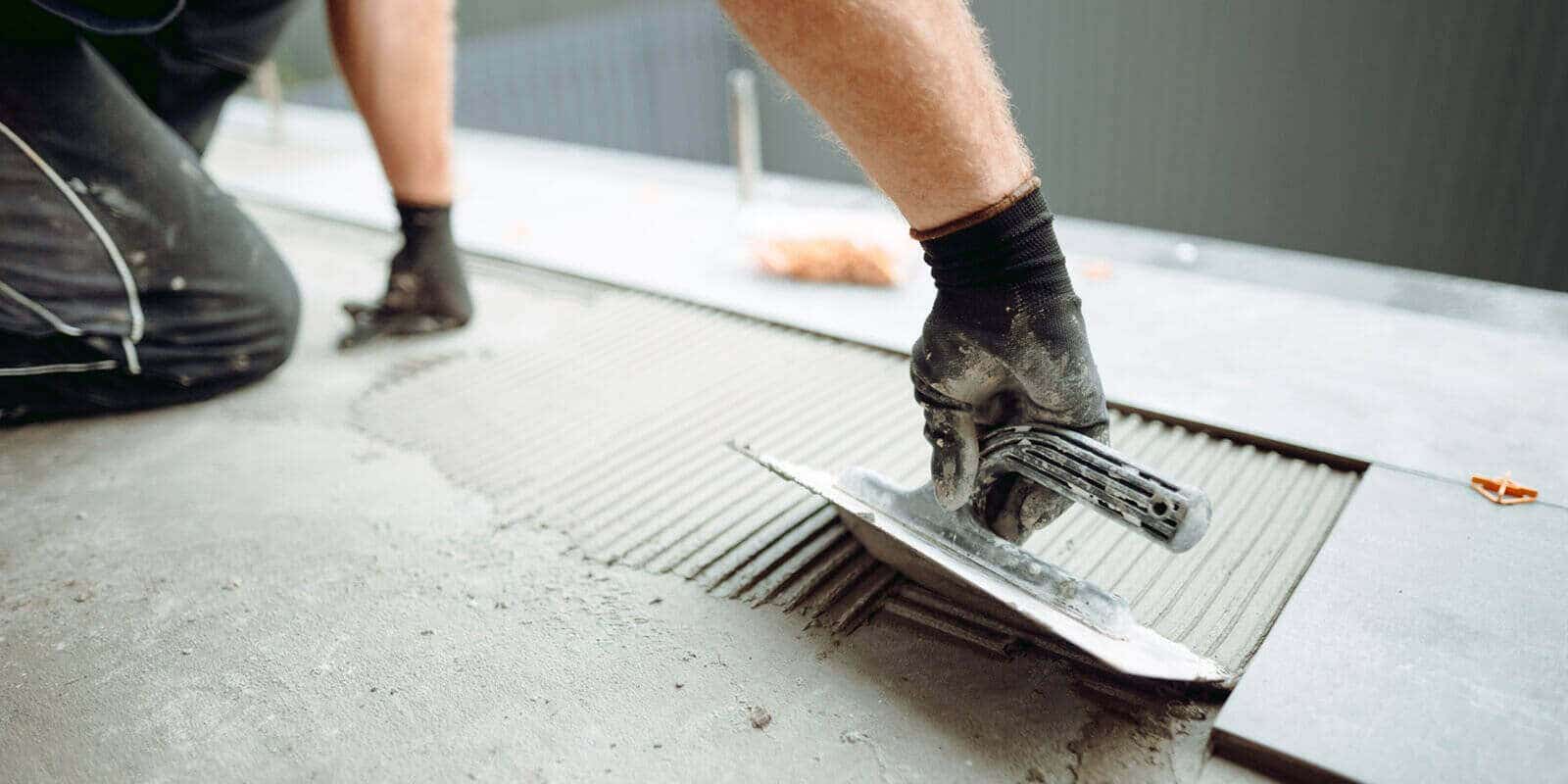
 The process of choosing, preparing for, and installing new flooring can be difficult for any business. At Yates Flooring, our local team recognizes the need for businesses to minimize downtime, safeguard their equipment, and seamlessly transition to their new spaces with as little logistical disruption as possible.
Our focus is on providing personalized consultations to make sure the flooring perfectly matches your needs. We’ll manage the installation process from conception to completion with as little downtime on your end as possible.
Contact us today to learn more about preparing, scheduling, and installing new floors in your business in Virginia Beach with our stress-free installation service.